
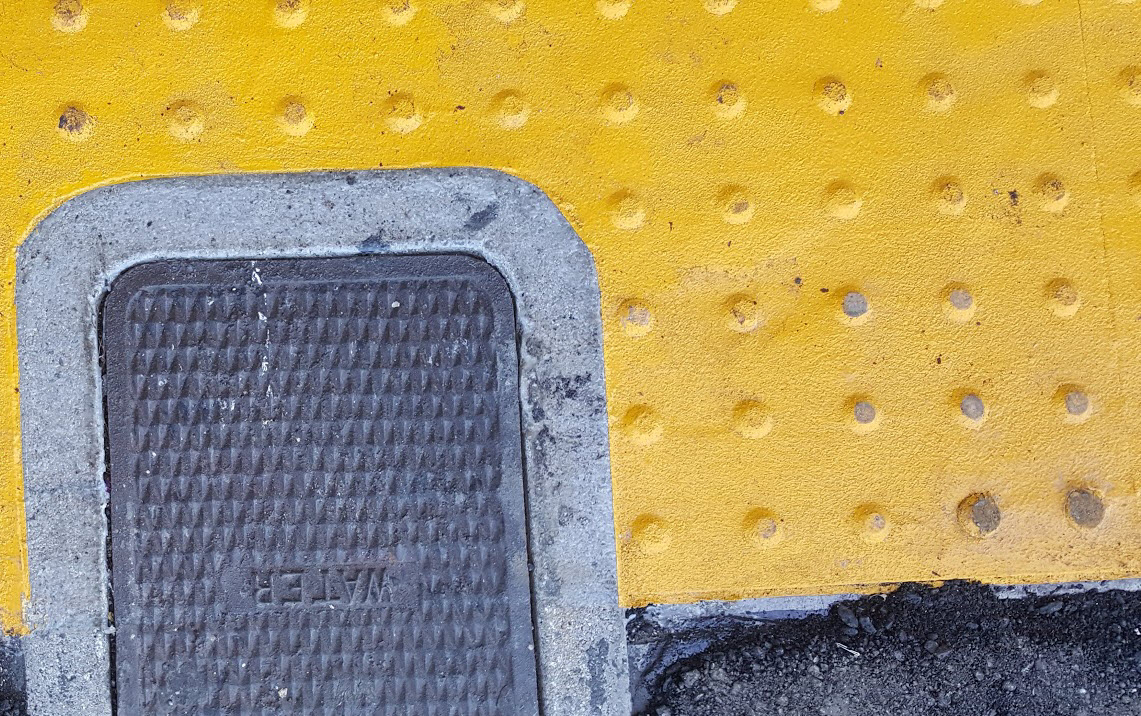
They surround us in mundane ways, so they appear everywhere, yet they play such an important role. We step on them daily, perhaps without a second thought, but the raised, bumpy surfaces known as truncated domes are an unsung hero of our urban landscapes. These seemingly simple designs, embedded in sidewalks at intersections, crosswalks, and transit platforms, are far more than just architectural accents. They form an essential protective/accessibility blanket and they are Metro to you with their silent adherence to the principle of the universal applicability of the design of the built-in environment. The art of well-designed and well-renowned truncated domes is highly rewarding in explaining the expertise of excellent and ingenious designs and the intentions of joining the unification process altogether.
The Unseen Benefits: Beyond Vision Impairment
Although, of course, their main purpose is to help people with visual impairments, the positive effect of truncated domes spreads to a wider range of population groups more commonly in insidious rather than explicit ways.
Consider a distracted pedestrian, perhaps engrossed in their phone, approaching a crosswalk. The sudden change in texture underfoot, even for a sighted person, can serve as a surprising, yet effective, alert to pay attention. The distinct feel beneath their shoes can subtly reorient them to their surroundings, prompting them to look up before stepping into traffic.
Similarly, in noisy urban environments where audible cues might be masked, or for individuals with hearing impairments, the physical presence of truncated domes offers a reliable, non-auditory warning. They also help to delineate pedestrian paths from vehicular areas, providing a clear boundary that enhances safety for all, including children and those who might be less aware of their surroundings. This multi-faceted impact makes them a truly universal design element, benefiting everyone who shares public spaces.
Engineering for Endurance: Built to Last
The subtle impact of truncated domes is also a testament to their robust engineering. Exposed to constant foot traffic, varying weather conditions, and sometimes even vehicular loads, these surfaces must be incredibly durable. They are typically made from resilient materials such as concrete, composites, or cast iron, designed to withstand years of wear and tear without losing their tactile or visual properties.
Installation methods are also critical. They must be securely embedded into the pavement to prevent dislodgement, which could create trip hazards rather than prevent them. The careful selection of materials and precise installation ensures their long-term effectiveness, making them a reliable and low-maintenance component of urban infrastructure. This engineering commitment means that their subtle impact is also a lasting one, providing continuous safety year after year.
The Future of Inclusive Design: Expanding the Role
With the continuing evolution of cities and the incorporation of smarter technology, the use of truncated domes may even grow in a more subtle way. Research and development in accessible design explore integrating smart features, such as embedded sensors that could communicate with navigational apps or provide real-time updates on crosswalk status. While these advancements are still emerging, the fundamental, passive efficacy of the current truncated dome design remains paramount.
Their in-use further validates the larger concept of universal design – a thought that places the environment and products in a way which it can be utilized by all individuals, to the highest degree of capacity, without anticipating an adaptation or sophisticated design. Truncated domes stand as a powerful, yet understated, symbol of this commitment, demonstrating how thoughtful, seemingly small design choices can have monumental impacts on human dignity, independence, and safety.
Conclusion: A Quiet Pillar of Accessibility
The next time you walk across a street or wait at a transit stop, take a moment to notice the truncated domes beneath your feet. Beyond their bumpy texture lies a sophisticated system of warning and guidance, a silent guardian that allows millions to navigate the world with greater confidence and autonomy. They are the unsung heroes of our sidewalks, a testament to the idea that true progress in urban design is often found in the details – the small, consistent, and universally accessible features that empower every individual to move freely and safely through the public realm. Their subtle impact is, in fact, a profound achievement, making our shared spaces truly accessible for everyone.


More Stories
The Silent Architect: How Corporate Governance Shapes the Future of Business
Navigating the Labyrinth: Mastering Business Law in the Modern Marketplace
The Boardroom Blueprint: Strengthening Ethics and Innovation in Corporate Governance